Vendor Fees: When They Make Sense — and When Food Trucks Should Stand Their Ground
Published July 22, 2026 by EZ Food Trucks
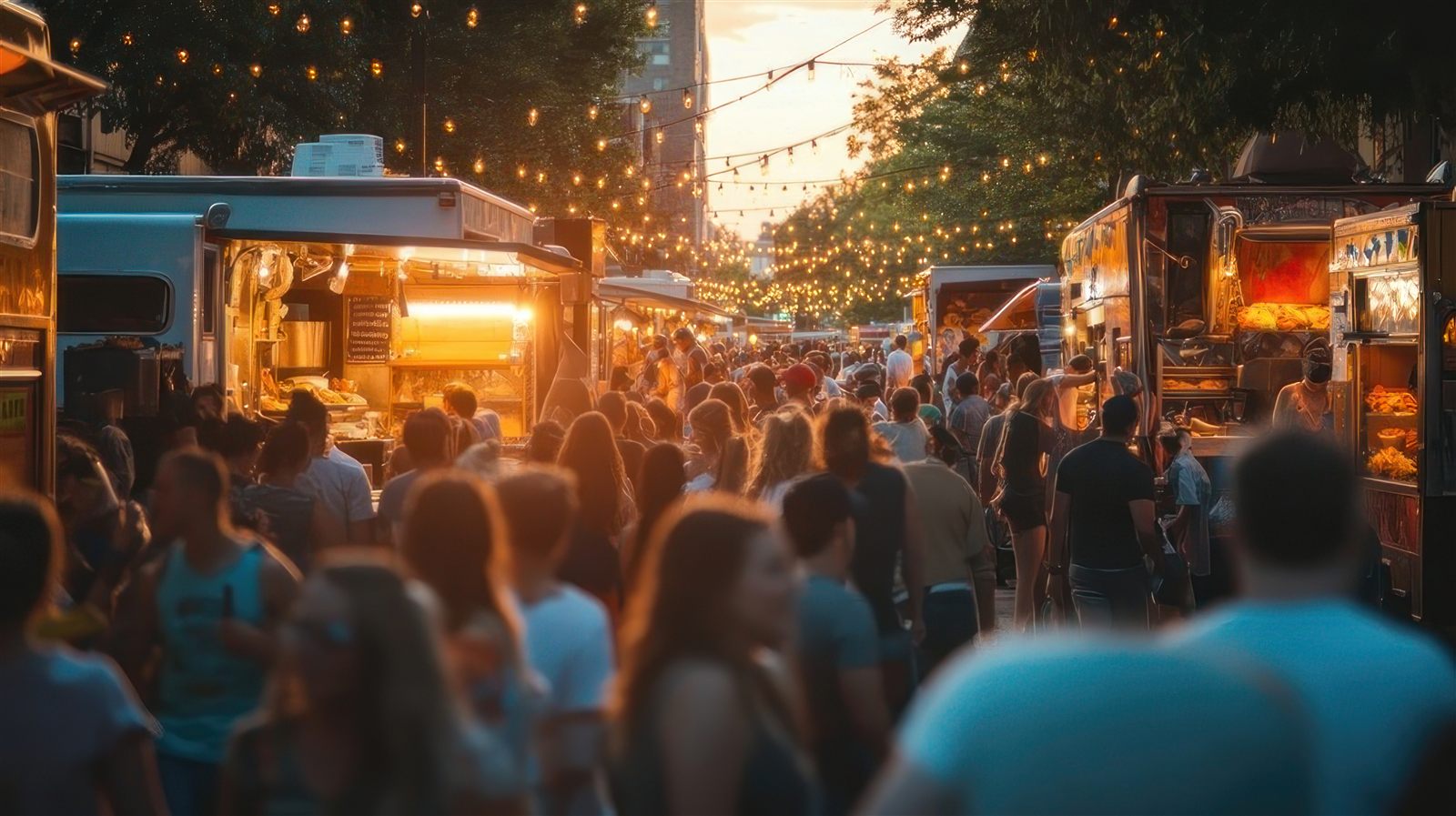
If you run a food truck long enough, you'll hear it: "We'd love to have you out — there's just a small vendor fee."
Sometimes that fee is fair. Often, it isn't. Knowing the difference is one of the most important business skills a food truck owner can develop, because saying yes to the wrong fee doesn't just cost you money that day — it trains an entire market to expect trucks to pay for the privilege of feeding someone else's guests.
Here's how to think about it.
When Vendor Fees Make Sense
Large Festivals with Proven Attendance
A well-run festival is a genuine business opportunity. The organizers are spending real money on marketing, permits, insurance, staffing, and infrastructure — and they're taking real risk to put the event on. If they're delivering thousands of hungry attendees to your window, it's reasonable that they charge for access.
But "festival" alone doesn't justify a fee. Before you pay, the event should check three boxes:
- Proven attendance and sales history. Not projections — a track record. Ask what food vendors sold last year.
- Limited food vendors, with no direct competition. If you sell tacos, you shouldn't be one of four taco trucks on the same block. A capped vendor lineup with cuisine exclusivity protects everyone's sales.
- A fee capped relative to your sales. A good rule of thumb: the fee should be no more than 10% of your total sales for the event — and power must be provided. If you're running your own generator, that number drops to 5%. You're supplying your own infrastructure; the fee should reflect that.
If an event can't meet those terms, the risk is being pushed onto you while the reward stays with the organizer. That's not a partnership.
Farmers Markets
Farmers markets are a different animal, and fees here are simply standard practice. Every vendor at the market — produce, crafts, baked goods, and you — pays the same way to support the market's operation. You're one booth among many, the market is the draw, and the fee structure is transparent and applied evenly. Pay it and don't overthink it.
The common thread in both cases: the event itself costs money and carries risk to produce, and the event is what brings the crowd. When that's true, a fee is fair.
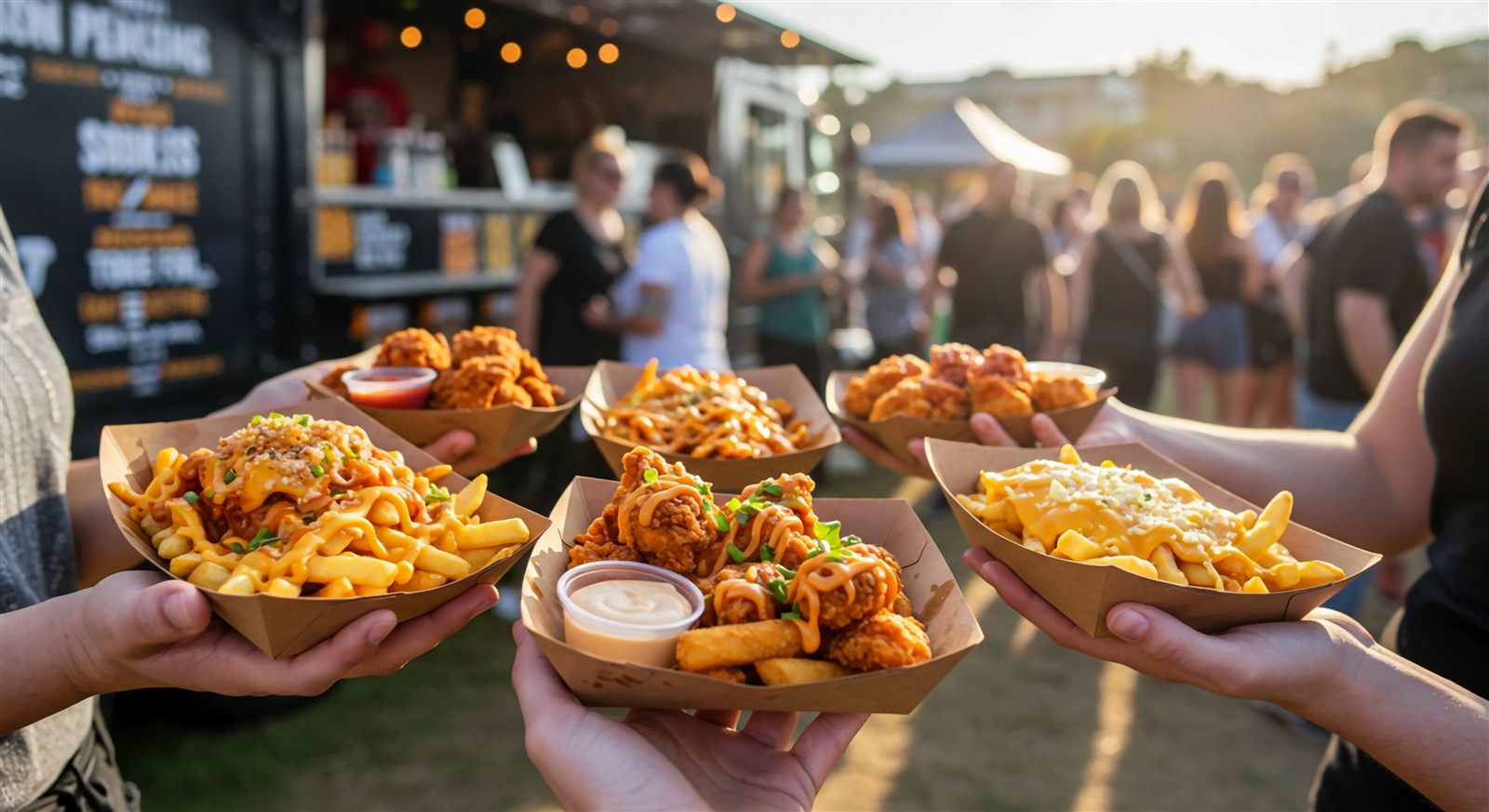
When Fees Don't Make Sense
Breweries, Office Buildings, Stores, and Similar Venues
Here's where trucks need to stand their ground.
When a brewery, office park, or retail store asks you to pay a fee to park on their lot, the economics are backwards. Think about who benefits:
- Your food brings in guests they wouldn't otherwise have.
- Your food keeps their guests on-site longer — and at a brewery, longer stays mean more beer sold.
- You're providing a service their business would otherwise have to build themselves. A brewery without food options either loses customers at dinnertime or has to run a kitchen. You solve that problem for them, at zero cost and zero risk to them.
Meanwhile, you carry all the risk. These stops can be hit or miss. You're paying for food, prep, staff, and fuel before you sell a single item — and if the night is slow, you eat the loss, not them.
This is a mutually beneficial arrangement and should be treated as one. You show up, they get the traffic and dwell time, you get the sales opportunity. Nobody pays anybody a fee. The moment a venue asks a truck to pay for the privilege of improving their business, the answer should be a polite but firm no.
And this matters beyond your own bottom line: every truck that pays these fees makes it harder for every other truck to say no. Hold the line.
Corporate Lunches: Require a Minimum Guarantee
A special case worth calling out: the company that wants to offer a food truck as an employee perk — without actually buying the food.
Employee headcount is not a sales forecast. A business with 70 employees does not mean 70 meals sold. A realistic rule of thumb: expect about 25% of employees to purchase their own meal on your first visit. That 70-person office is more likely a 17-or-18-meal day, and that may not cover your prep and time.
The fix is simple: require a minimum guarantee. If sales don't reach an agreed floor, the company makes up the difference. This is completely fair — they're getting the benefit of an on-site food option for their team without staffing a cafeteria, and you're guaranteed that your time, prep, and travel are paid for either way.
If a company balks at a minimum guarantee, that tells you exactly how much they value having you there. Move on.
The Bottom Line
The test for any vendor fee is simple: who is bringing the crowd, and who is carrying the risk?
- When an event spends money and takes risk to deliver you customers — a proven festival, a farmers market — a reasonable, capped fee is fair.
- When a venue benefits from your presence and carries none of the risk — breweries, offices, stores — the fee should be zero, and a slow-day guarantee should be on the table.
Know your numbers, know your value, and don't be afraid to walk away from a deal that treats your truck like a paying tenant instead of the main attraction.
Book a food truck for your event · List your food truck free